Save up to €45 in queue time
- Priority access
- Skip the queue
- Free cancellation up to 24h
Manjuyod Sandbar Dolphin Watching — Early-Morning Marine Encounters
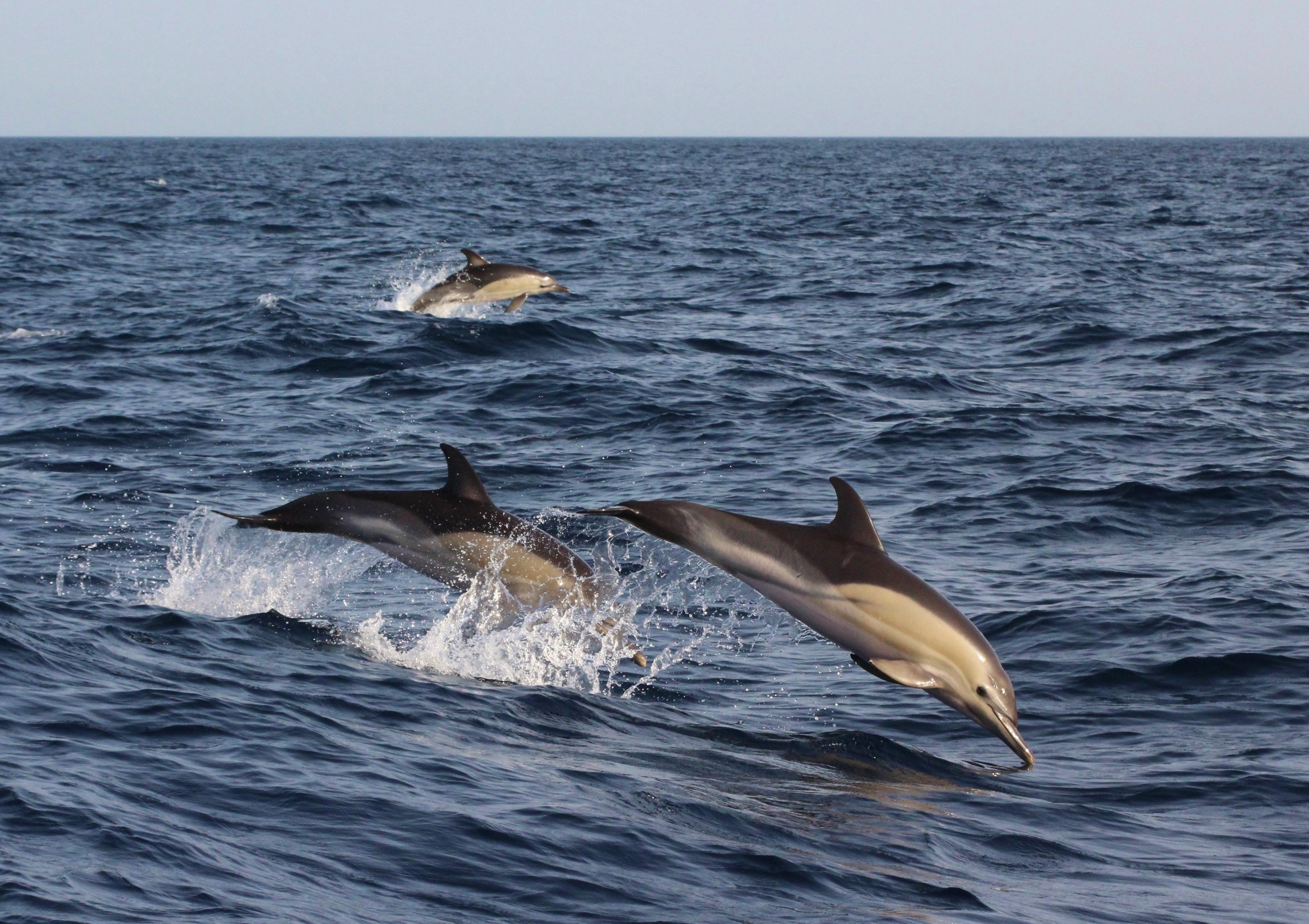
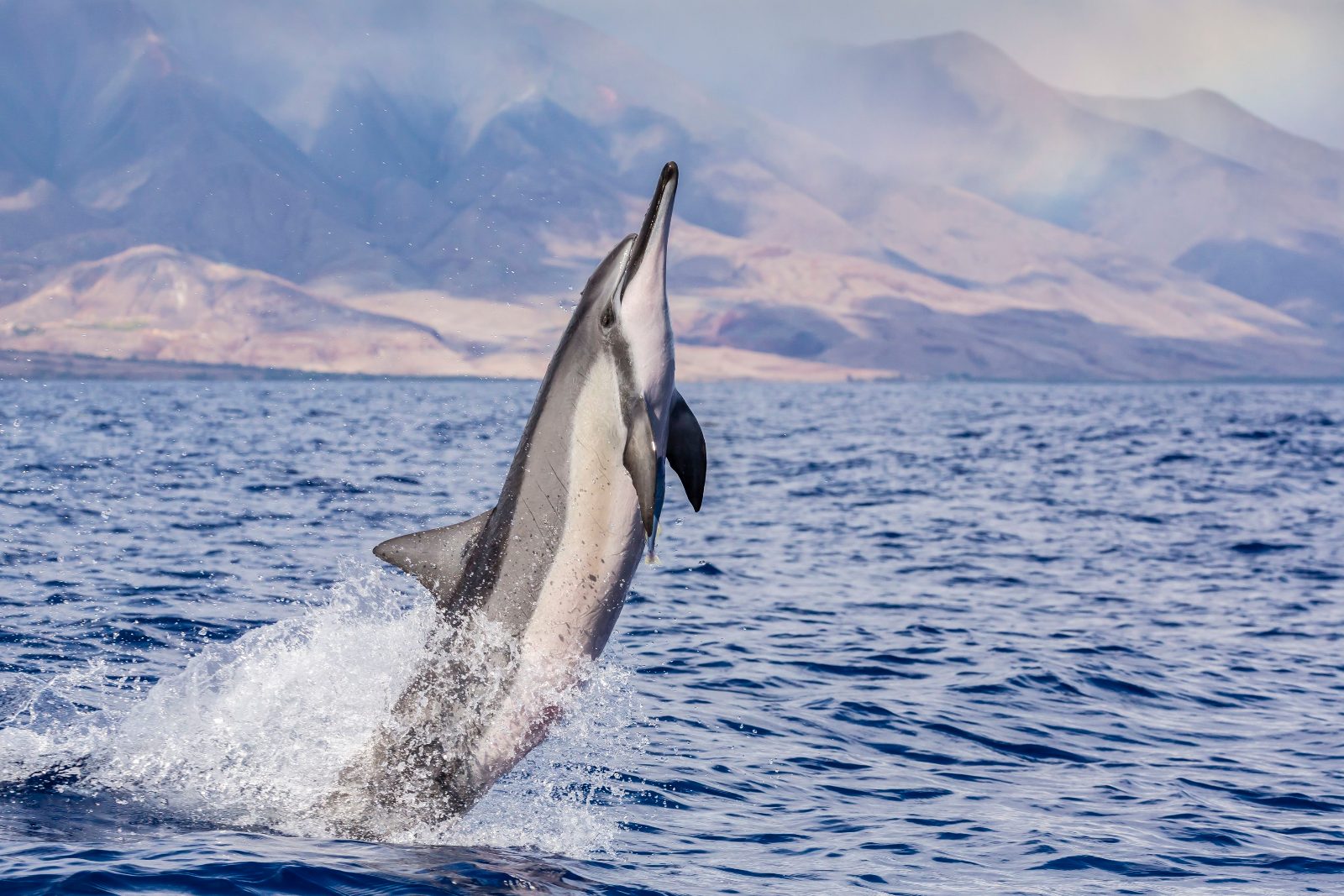
Spinner dolphins at dawn, a kilometer of white sand emerging from the strait
Compare fares, pick the fit — all bookings are mobile-voucher and eligible for free cancellation where shown.
Save up to €45 in queue time
Save €25 vs gate
Duration · 2 hr
They complement each other; travelers seeking relaxation prefer the sandbar, while those desiring active adventure choose the sanctuary. A manjuyod sandbar dolphin watching tour provides a serene encounter with Tañon Strait wildlife, while the island option offers immersion in coral ecosystems.
|
Top pick Manjuyod Sandbar |
Apo Island | |
|---|---|---|
| Primary activity | Leisurely boat cruise | Guided underwater snorkeling |
| Best for | Relaxation and scenery | Marine biodiversity encounters |
| Physical demand | Low | Moderate |
| Marine life focus | Surface-level dolphin sightings | Reef fish and sea turtles |
| Ideal duration | 4–6 hours | 5–7 hours |
| See tickets & prices |
Verdict: Opt for the sandbar if you prioritize boat-based wildlife observation, or select Apo Island if you intend to explore protected reef habitats using manjuyod sandbar dolphin watching tickets as a potential secondary activity for your trip.
Hand-picked experiences loved by thousands of travelers
10 hours
Free Cancellation
Hunt for wild dolphins off Bais coast, then unwind on a pristine white sandbar with lunch included
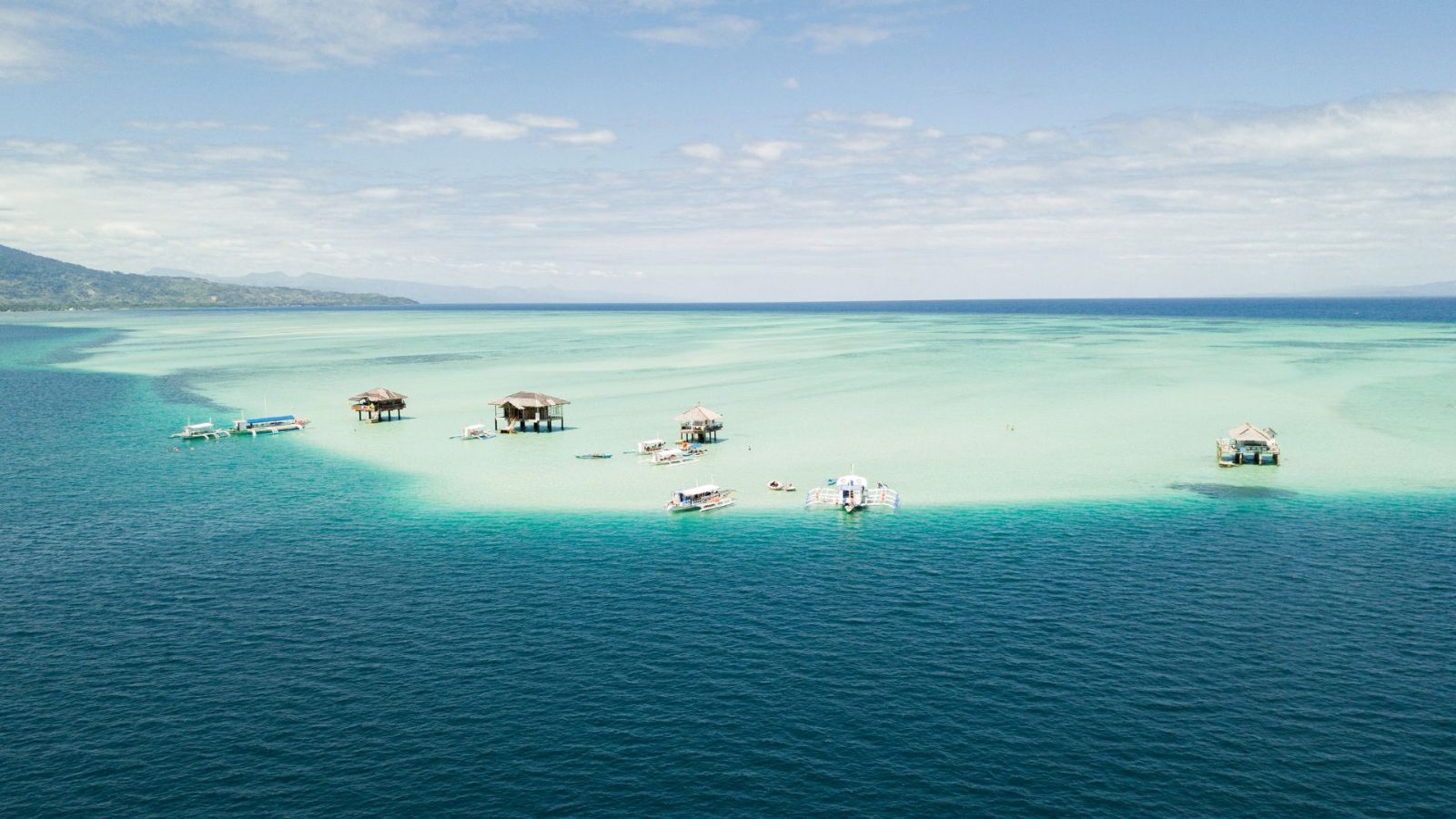
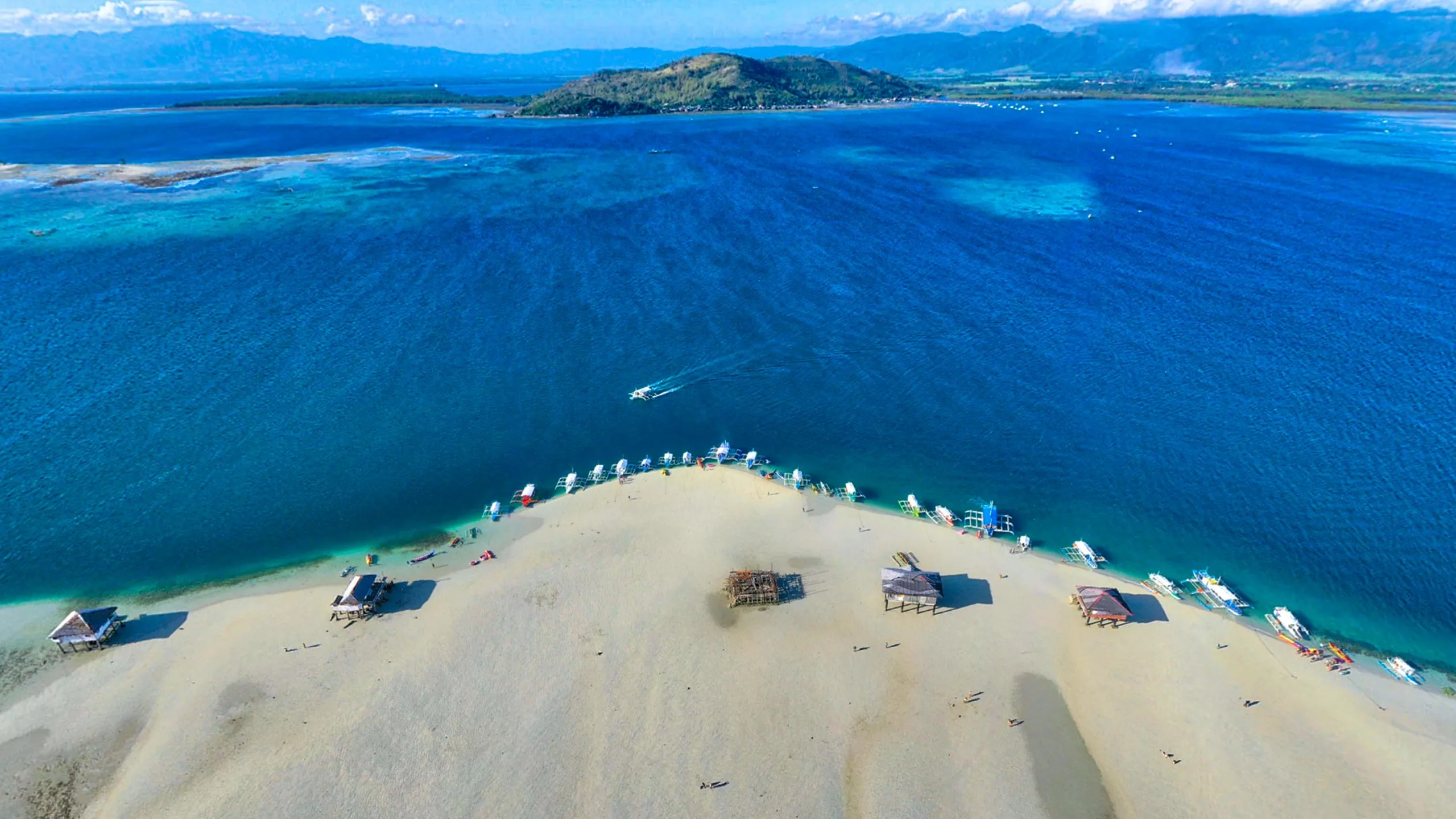
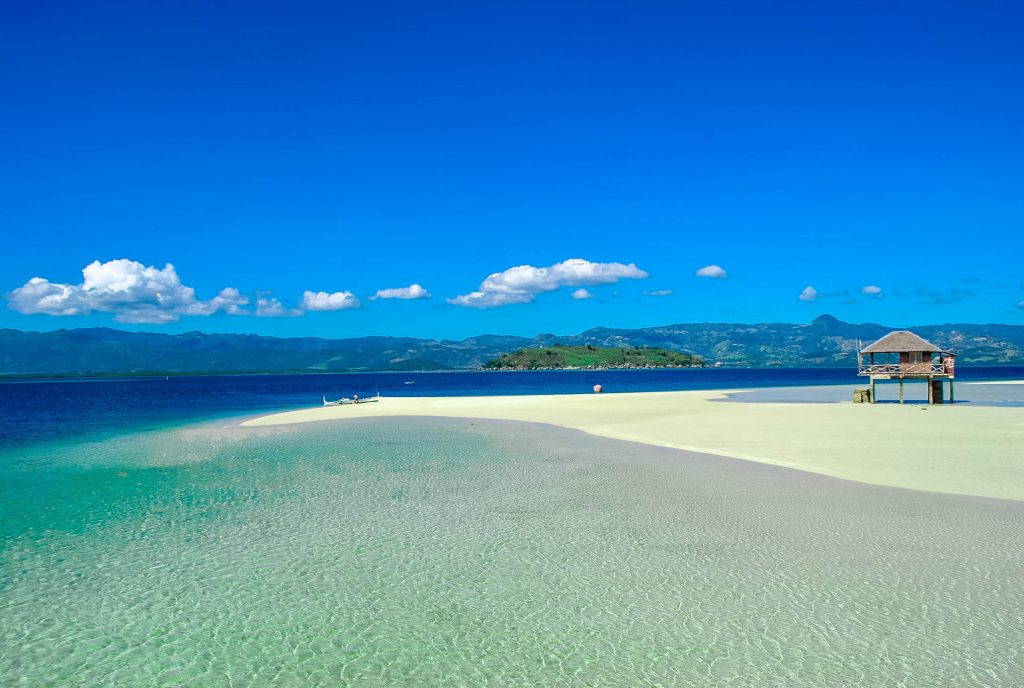
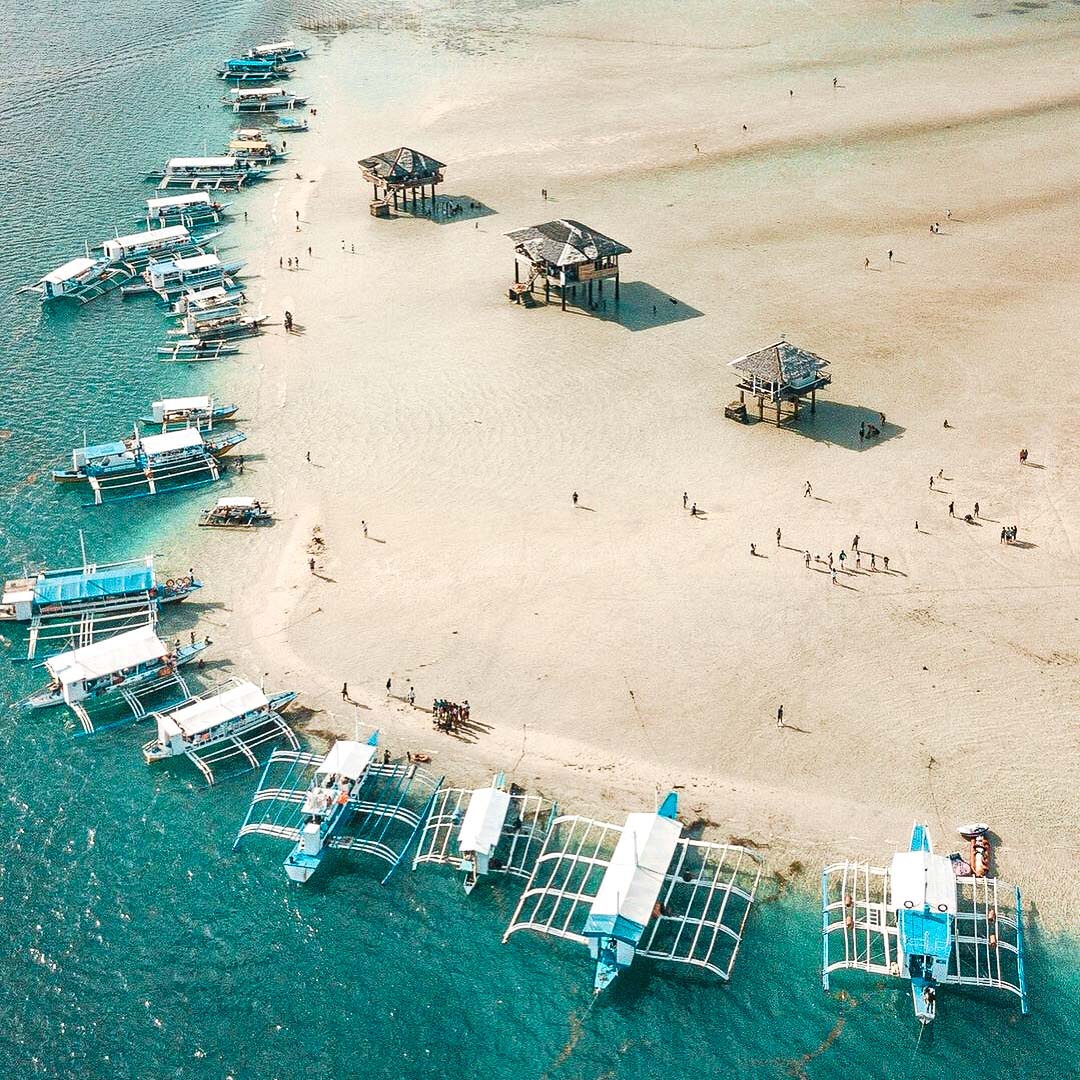
A 7-kilometer expanse of pristine sand that emerges from North Bais Bay during low tide. The sandbar is often called the Maldives of the Philippines due to its striking color and clarity.
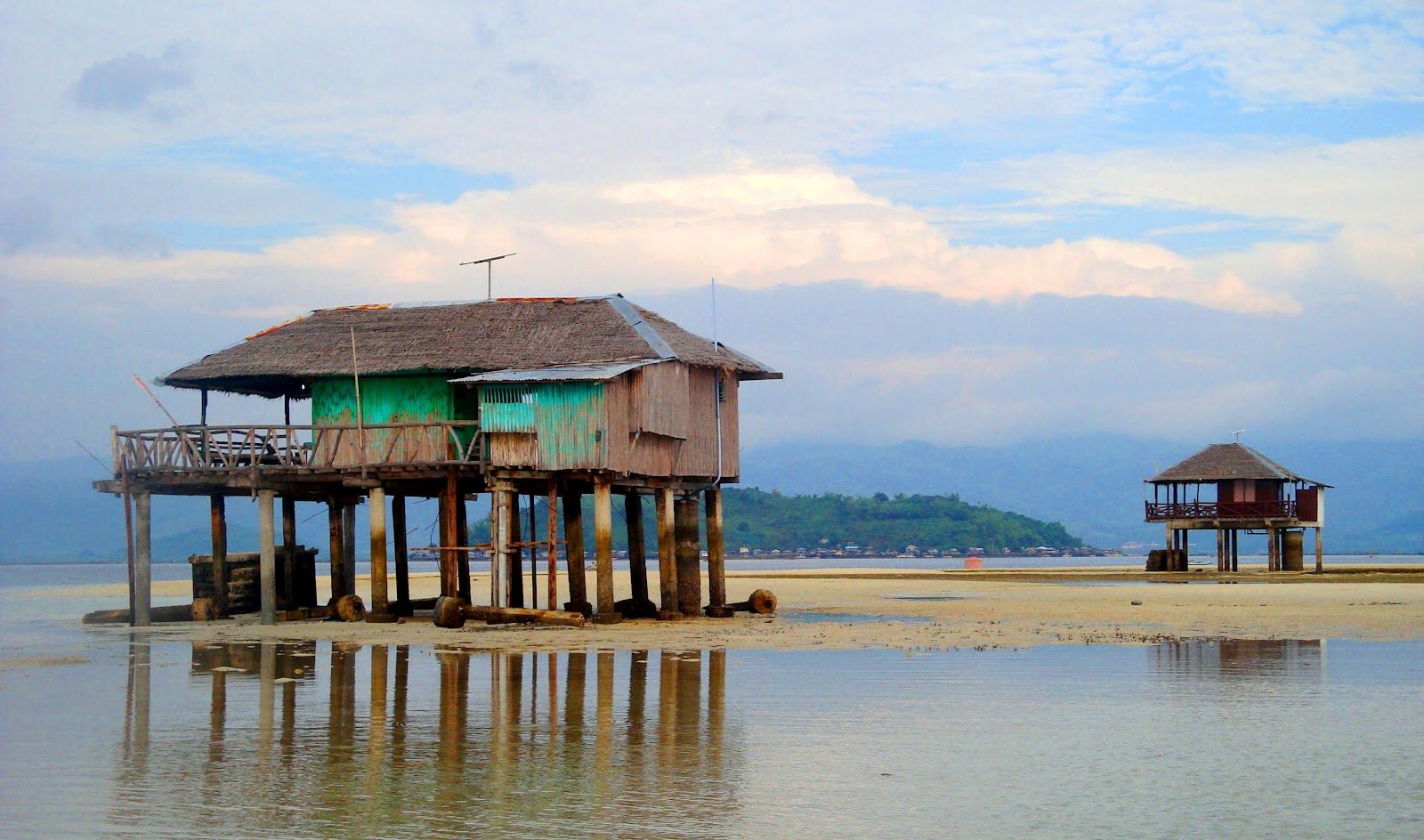
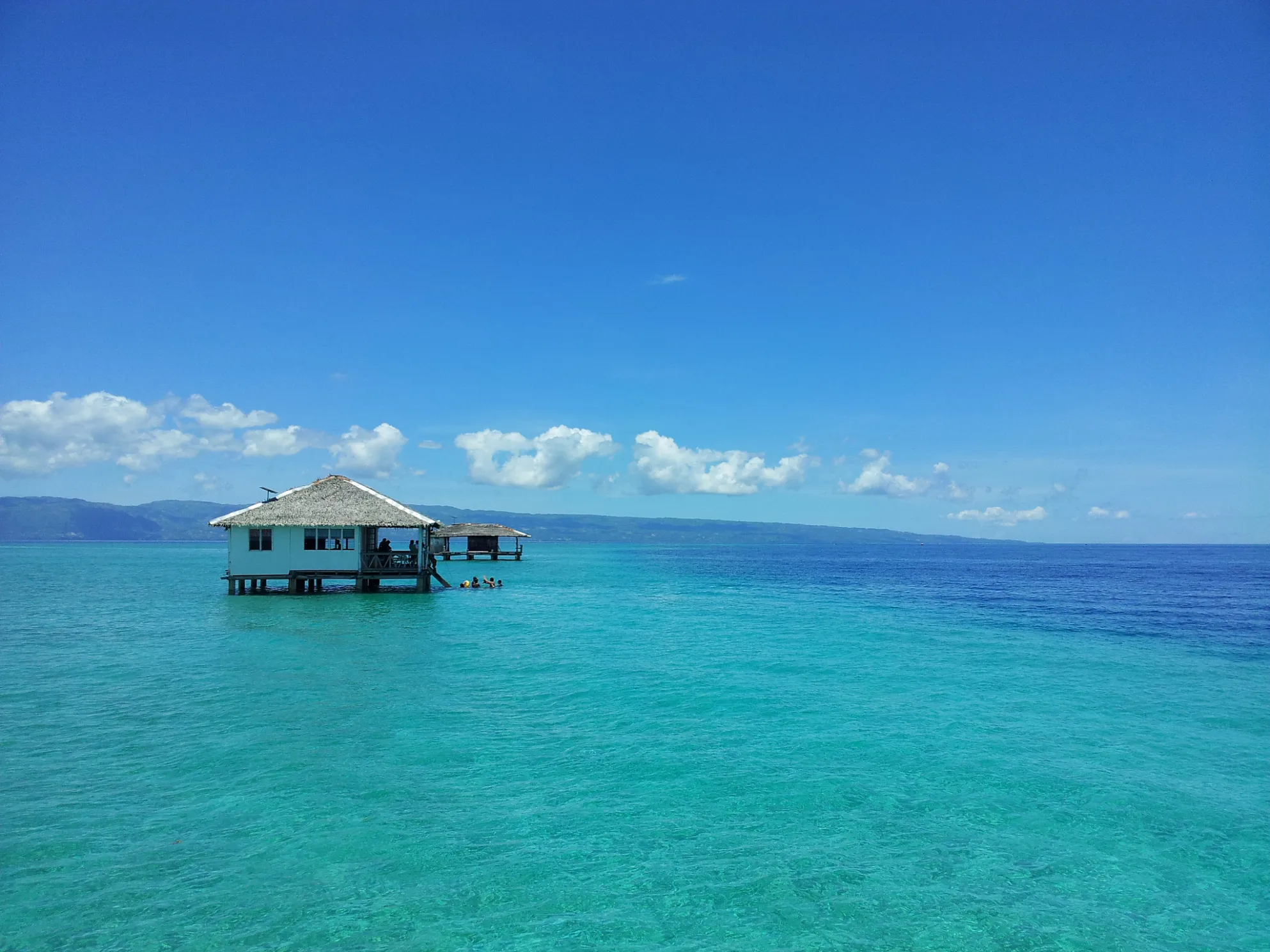
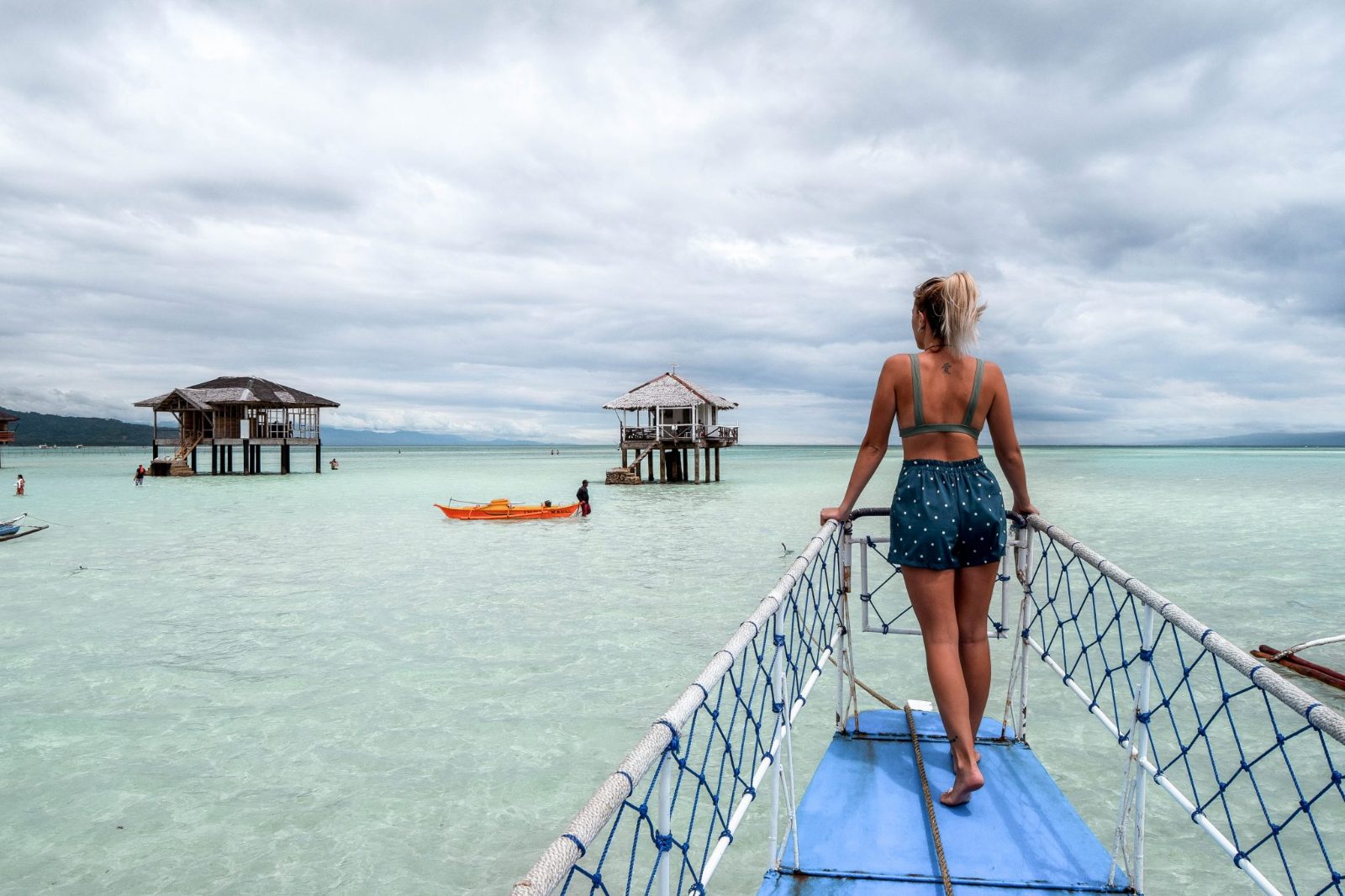
Rustic wooden houses built on stilts that appear to float above the water during high tide. These structures offer a unique base for relaxing between swims.
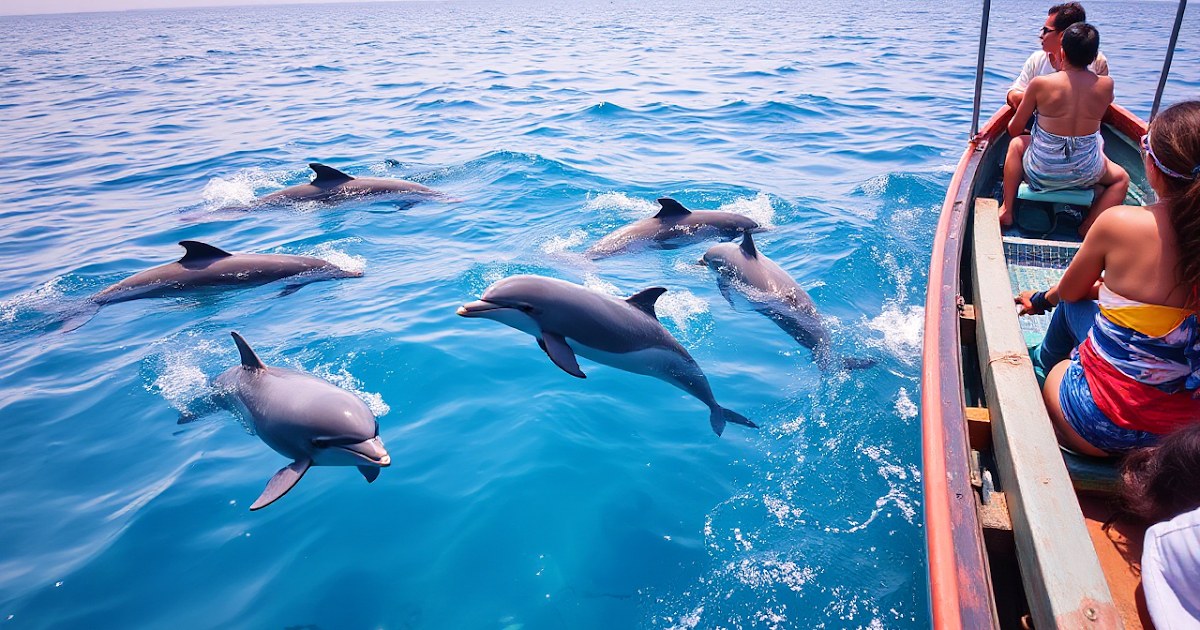
The surrounding marine sanctuary where pods of dolphins, including Spinner and Bottlenose species, are frequently spotted. Early morning is the optimal time to witness their natural behavior.
The protected waters surrounding the sandbar, teeming with diverse coral life perfect for snorkeling. You can explore the underwater gardens when the tide is high enough.
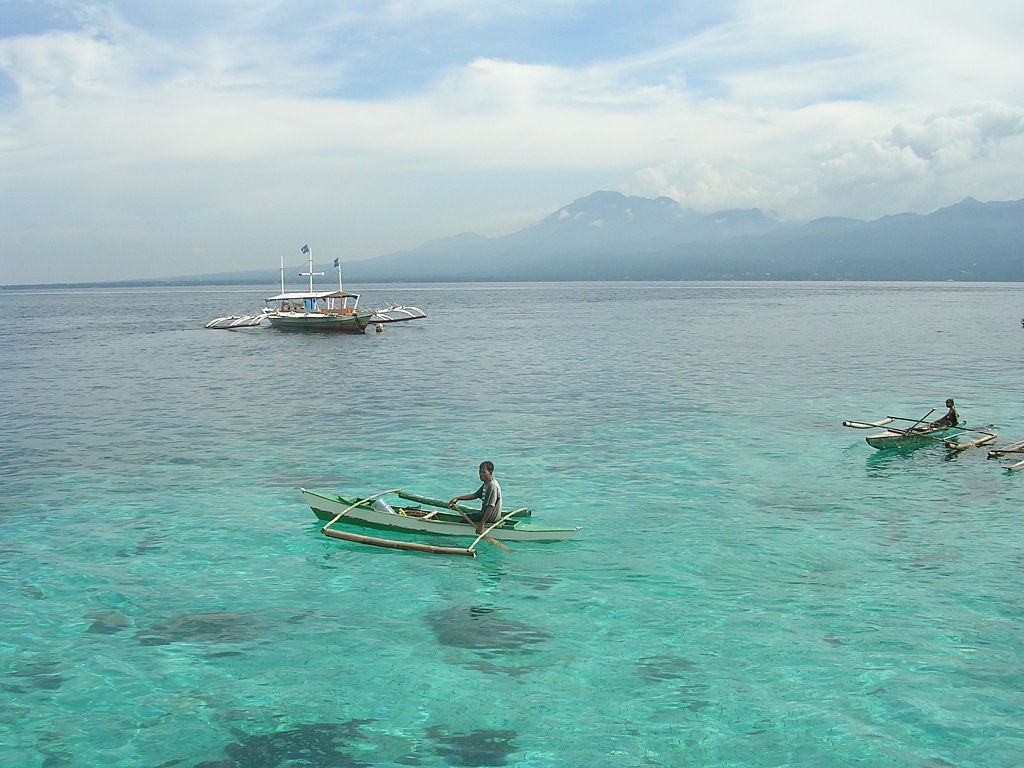
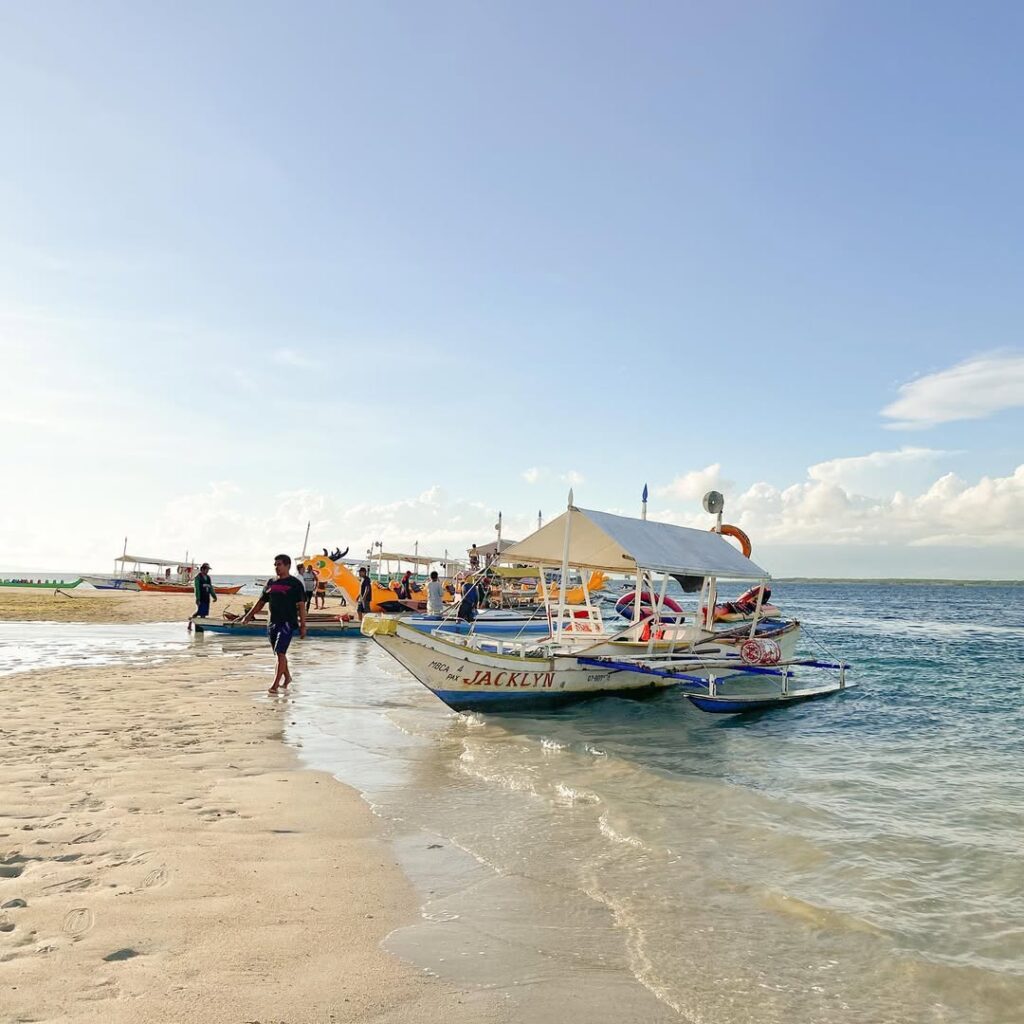
You board an outrigger banca at the Manjuyod terminal before first light, the engine low and steady as you push into North Bais Bay.
The water is glassy, the sky a graduated indigo, and within twenty minutes your boatman cuts the motor and points — a pod of spinner dolphins arcing just ahead, their bodies slicing cleanly through the surface. You drift closer, the animals unbothered, and for ten minutes you watch them leap, twist, and re-enter the water in synchronized bursts. The boat continues southwest, the sun climbing behind you, and forty minutes later the sandbar appears — a long white crescent barely breaking the surface.
You step off the bow into calf-deep water, the sand firm underfoot, and walk toward the bar's center where the tide has left a shallow lagoon. The water is warm, the sand rippled in perfect wind-carved lines, and you wade slowly, looking down at small crabs and translucent fish darting between your feet. Other boats have anchored nearby, their passengers scattered across the bar, but the space is wide enough that silence holds. You pause at the southern tip where the sand drops off into deeper blue, the strait stretching unbroken toward Cebu's faint outline. An hour passes before the tide begins to shift and you return to the boat, salt drying on your legs, the mountains of Negros sharp against the morning sky.
All the details about your upcoming adventure in one place
Combine marine wildlife encounters with one of Negros Oriental's most striking coastal formations on this manjuyod sandbar dolphin watching tour. Early morning boat trips offer the best chance to observe spinner dolphins in Tañon Strait before continuing to the white sandbar at low tide. Manjuyod sandbar dolphin watching tours typically include snorkeling gear and local guide commentary on cetacean behavior and coral reef ecology.
The Tañon Strait, a 160-kilometer channel separating Negros and Cebu, shelters one of the Philippines' densest populations of spinner dolphins — small, acrobatic cetaceans that breach and spin in the early light before dawn fully breaks.
North Bais Bay, the strait's eastern threshold, became a dolphin-watching hub in the late 1990s when fishermen from Manjuyod and Bais began guiding researchers and ecotourists to the animals' feeding grounds. The sandbar itself, a crescent of coral sand stretching nearly a kilometer at low tide, was a navigational landmark for centuries before it gained fame as a rest stop midway through dolphin tours. Local boatmen call it "the white island," though it has no official name on nautical charts.
Manjuyod sandbar dolphin watching tours depart before sunrise because spinner dolphins hunt at night in deep water and return to shallower strait waters near dawn to rest and socialize. The best sightings occur between 6:00 and 8:00 AM, when pods of five to thirty animals gather in loose formations, often spinning on their longitudinal axis as they leap — a behavior scientists link to parasite removal and social bonding. Tañon Strait was designated a protected seascape in 1998, prohibiting large vessels and limiting motorized traffic near dolphin pods. Tour operators idle engines within 50 meters of sightings, relying on drift and paddle to close the distance. The sandbar emerges fully only during spring low tides, revealing rippled sand, shallow tidal pools, and scattered coral fragments. Visitors wade ankle-deep across the bar, the water warm and gin-clear, Negros' interior mountains visible to the west.
The dolphins are spinner dolphins, *Stenella longirostris*, smaller than bottlenose species and identifiable by their narrow beaks and tricolor flanks. Bais fishermen report year-round sightings, with peak activity during the northeast monsoon months when calmer seas bring the animals closer to shore. The sandbar itself shifts slightly with each typhoon season, its southern tip eroding and northern edge accreting sand carried by longshore currents. Conservation groups monitor boat traffic and dolphin behavior, balancing tourism income with marine protection. The strait also hosts Fraser's dolphins, melon-headed whales, and occasional Bryde's whales, though these remain deeper and are rarely seen on standard tours.

The best sightings occur between 6:00 and 8:00 AM, when pods of five to thirty animals gather in loose formations, often spinning on their longitudinal axis as they leap.
Wear light, quick-drying clothing and swimwear suitable for a day on the water. Sun protection like hats and rash guards is recommended for manjuyod sandbar dolphin watching.
Keep belongings in waterproof bags to protect them from sea spray during your manjuyod sandbar dolphin watching trip. Space on local outrigger boats is limited, so pack light.
Capture the 7-kilometer stretch of white sand and playful dolphins during your manjuyod sandbar dolphin watching excursion. Drone usage may require prior approval from local boat operators.
Manjuyod sandbar dolphin watching is highly suitable for families, offering an engaging way for children to see marine wildlife. Always ensure children wear provided life vests throughout the boat journey.
Access to the sandbar and dolphin watching boats involves boarding from a wharf, which may be challenging for those with limited mobility. Please coordinate with your tour operator in advance.
Most manjuyod sandbar dolphin watching tours include lunch, but you may bring additional snacks and drinks. Buying supplies at Bais City market before departure is a common practice.
Opening Hours
06:00–18:00
Address
Manjuyod Sandbar, North Bais Bay, Tañon Strait, Negros Oriental, Philippines
Accessibility
Boat-based access requires boarding via wharf steps
Arrival
06:00–08:00
Storage
Limited storage on outrigger boats
Navigation
Accessible via boat from Capiñahan or Canibol Wharf
Full refunds are typically available for cancellations made at least 24 hours prior to the scheduled departure. No formal entrance fee is charged at Manjuyod Sandbar, though environmental fees are non-refundable once the boat trip commences.
Recommended time
4-6 hours
A successful manjuyod sandbar dolphin watching experience requires aligning your boat departure with the morning tide. Dedicated manjuyod sandbar dolphin watching tours generally last half a day to allow for sightings in the Tañon Strait before enjoying the sandbar at its peak exposure. While you do not need formal manjuyod sandbar dolphin watching tickets, you should coordinate with boat operators early to secure your spot. Expect crowds to peak by mid-morning as visitors arrive from Bais City, so early departures are recommended for a quieter experience.
Crowd levels through the day
Stand on the wooden walkway connecting the iconic huts for a symmetrical perspective of the structures against the turquoise water. This location is perfect for capturing the Manjuyod Sandbar dolphin watching experience in its most recognizable form.
Walk out onto the exposed white sandbar when the water recedes to create a minimalist composition featuring only the horizon and shallow tide pools. This wide-angle shot emphasizes the scale of the sandbar during manjuyod sandbar dolphin watching tours.
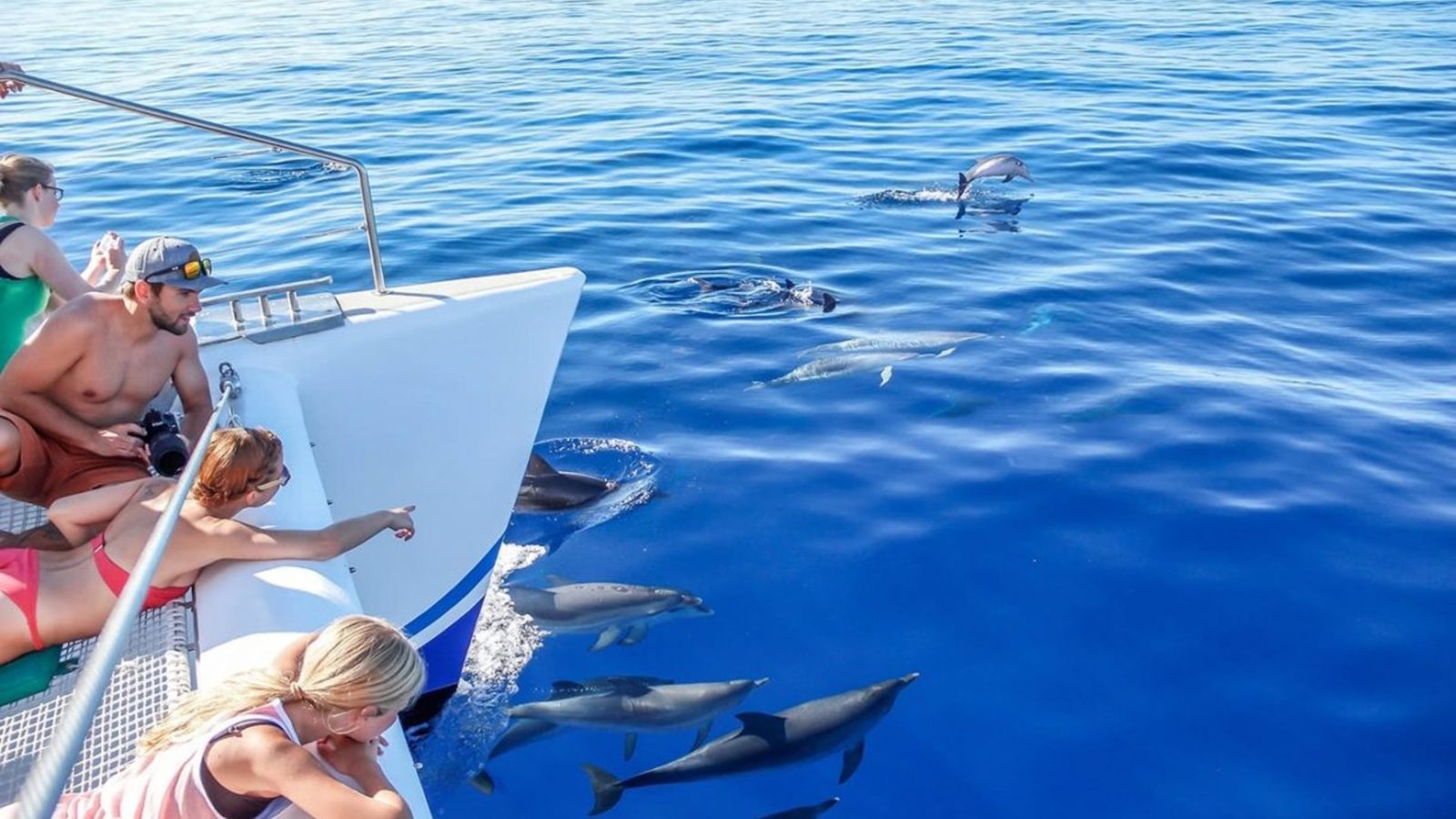
Position yourself at the front of your outrigger boat to capture action shots as the vessel navigates the Tañon Strait. This vantage point provides a clear view for photographing pods during your manjuyod sandbar dolphin watching tour.
Frame your shot from inside one of the elevated cottages looking out through the doorway toward the open sea. This provides a natural frame for the surrounding aquatic landscape, often included in manjuyod sandbar dolphin watching tickets.
A family trip for manjuyod sandbar dolphin watching offers a rare chance to see marine life and play on shifting white sands. This coastal excursion is best enjoyed with careful planning to ensure children stay comfortable and engaged throughout the day.
Always ensure children wear appropriately sized life vests at all times while aboard the outrigger boat. Kids should remain seated and keep their hands inside the vessel during transit to the Tañon Strait.
There are no formal changing rooms or restroom facilities on the sandbar itself. Please confirm if your chosen manjuyod sandbar dolphin watching tour includes a boat with a private onboard toilet before departure.
The sandbar offers minimal shade, so bring wide-brimmed hats, light long-sleeve rash guards, and reef-safe sunscreen for the whole family. An early start within the 06:00–08:00 arrival window helps avoid the most intense midday heat.
Because the excursion often lasts all day, bring ample snacks and hydration to keep children energized between swimming and wildlife spotting. Booking a private manjuyod sandbar dolphin watching tickets option allows you more flexibility to head back to the wharf if younger children tire early.
The site is accessed by boat and involves walking on soft, shifting sand, meaning strollers are not practical. Families should plan to carry infants or ensure children are comfortable walking on uneven surfaces.
Real experiences from real travelers
We joined a manjuyod sandbar dolphin watching tour in early July and spotted three pods within the first hour. The sandbar itself is otherworldly at low tide, stretching nearly two kilometers into Bais Bay. Our guide knew exactly where spinner dolphins gather in the morning. Water was calm and warm, ideal for the boat ride.
Departed at 6 AM for the best dolphin sighting window near Manjuyod Sandbar. The white sand strip appears almost unreal against the turquoise water. We saw at least twenty dolphins, some leaping quite close to our boat. Guides respect distance rules, which I appreciated. Spent an hour walking the sandbar afterward.
Manjuyod Sandbar dolphin watching exceeded expectations. The sandbar emerges fully only during low tide, creating a temporary island you can walk across. Dolphins were active in the deeper channels nearby. Water clarity made it easy to spot them even from a distance. Bring reef-safe sunscreen and a hat.
The dolphin watching portion of our manjuyod sandbar dolphin watching tour delivered well. Saw two pods of spinners feeding near the mangrove edge. Sandbar itself is striking but gets crowded by mid-morning. Arrived at 7 AM and had parts of it nearly to ourselves. Boats are basic but sturdy outriggers.
Combining the Manjuyod sandbar visit with dolphin watching tours made for a full morning. Dolphins appeared within twenty minutes of leaving the sandbar, breaching and spinning. The guides cut the engine and let us drift closer. Sandbar's shallow water felt like a warm bath, perfect for cooling off after the boat ride.
Took a manjuyod sandbar dolphin watching trip during our Negros Oriental visit. The sandbar stretches so far you lose sight of the mainland. Dolphins were playful, coming near our boat several times. Guides explained their behavior and feeding patterns. Water was incredibly clear, revealing coral patches and small fish.
Manjuyod Sandbar is a natural phenomenon worth seeing. During our dolphin watching tour, we encountered a large pod in the bay's deeper section. The contrast between the white sand and blue water creates perfect photo conditions. Low tide timing is essential to experience the full sandbar walk.
Our manjuyod sandbar dolphin watching experience started with a calm boat ride across Bais Bay. Spotted dolphins feeding near a mangrove channel, then spent two hours exploring the sandbar. Sand is powdery and warm underfoot. Bring water shoes for the boat boarding area.
The sandbar at Manjuyod is one of the Philippines' hidden gems. Our dolphin watching tour guide had decades of experience and knew exactly where to position the boat. Saw at least fifteen dolphins, including juveniles. Sandbar walk at low tide felt surreal, surrounded by shallow turquoise water in every direction.
Joined a morning manjuyod sandbar dolphin watching tour from Bais City. Dolphins appeared near the sandbar's northern tip, quite close to our boat. Guides maintain respectful distances and explain conservation efforts. The sandbar itself is pristine, with minimal development. Perfect half-day experience combining wildlife and natural scenery.
Everything you need to know for your journey
Manjuyod Sandbar is open daily from 06:00–18:00 for visitors.
There is 0 PHP formal entrance fee for Manjuyod Sandbar; however, small terminal and environmental fees apply per person.
The best arrival window is 06:00–08:00 to maximize chances to see dolphins and experience the sandbar during low tide.
Yes, you can secure your manjuyod sandbar dolphin watching tickets through local tourism offices or licensed tour operators.
Yes, families are welcome on manjuyod sandbar dolphin watching trips, provided children wear provided life jackets.
Bring sun protection, a waterproof bag, snorkeling gear, and extra clothing for your manjuyod sandbar dolphin watching adventure.
Most tours provide lunch, but you are encouraged to bring your own water and snacks for your manjuyod sandbar dolphin watching day.
You can take a bus from Dumaguete to Bais City and then a tricycle to the wharf for your manjuyod sandbar dolphin watching departure.
Photography is encouraged during your manjuyod sandbar dolphin watching trip to capture the dolphins and the unique landscape.
Join thousands of happy travelers who have discovered this incredible experience
Book Your Experience Now